Infectious diseases have shaped human history more than any other force. From pandemics to antibiotic resistance, pathogens evolve faster than our ability to respond. Artificial intelligence is now giving us a fighting chance — predicting outbreaks before they happen, detecting sepsis before it kills, and optimizing antibiotic use to preserve these life-saving drugs.
AI Outbreak Prediction and Surveillance
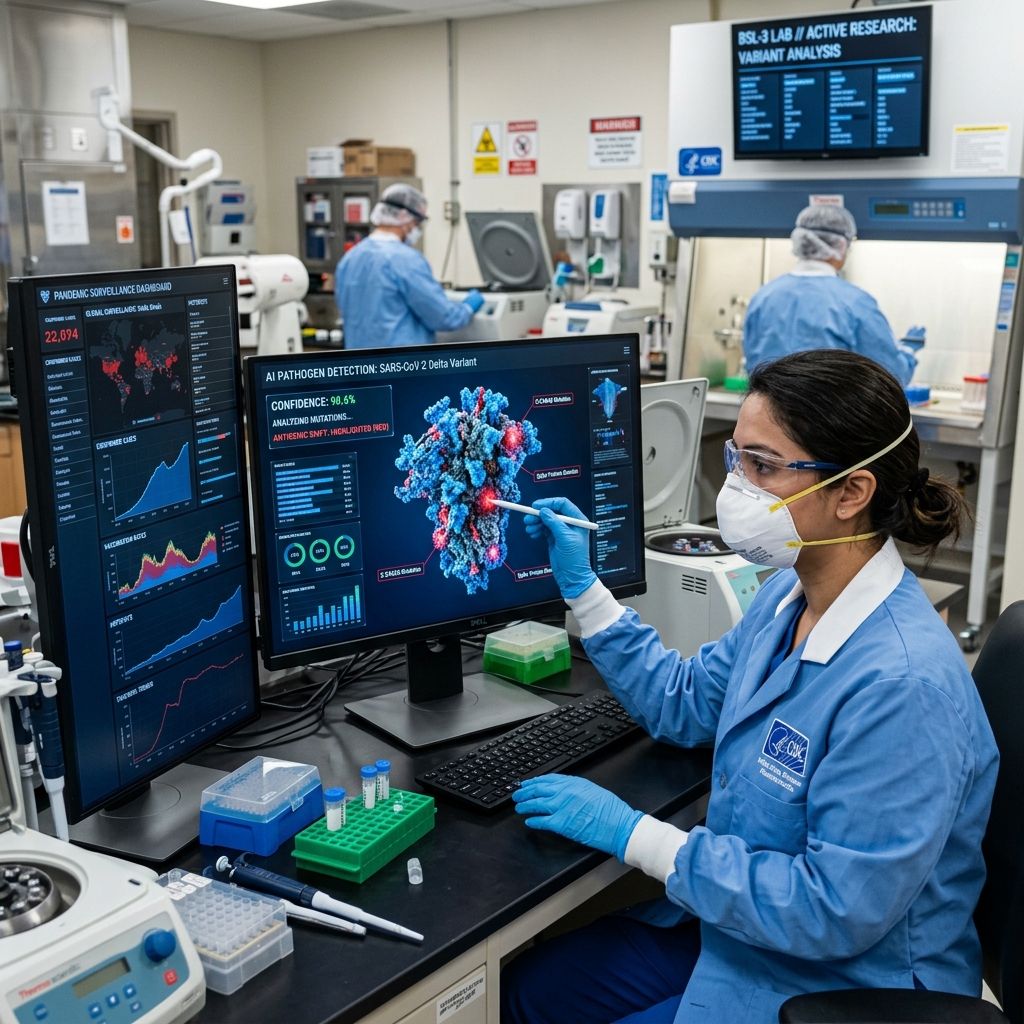
AI systems monitoring multiple data streams can detect disease outbreaks days or weeks before traditional surveillance systems:
- Social media monitoring: NLP algorithms detect increases in illness-related posts, flagging potential outbreaks
- Search query analysis: AI tracks disease-related search trends, providing real-time epidemiological signals
- Wastewater surveillance: AI analyzes wastewater pathogen data to predict community outbreak trajectories
- Climate and mobility data: AI models predict disease spread based on weather patterns, travel data, and population movement
During the COVID-19 pandemic, AI systems like BlueDot detected the outbreak nine days before the WHO issued its first warning. These systems are now being refined and deployed for influenza, dengue, Zika, and other emerging threats.
AI Sepsis Detection
Sepsis kills 11 million people annually — more than heart attacks. Every hour of delayed treatment increases mortality by 4-8%. AI sepsis prediction systems are saving lives in hospitals worldwide:
- Predicting sepsis onset 4-6 hours before clinical recognition
- Calculating real-time sepsis risk scores from vital signs and lab data
- Recommending early interventions (fluids, antibiotics, lactate measurement)
- Reducing sepsis mortality by up to 20% in hospitals using AI alert systems
AI Antimicrobial Stewardship
Antibiotic resistance is one of the top 10 global health threats. AI systems help preserve antibiotic effectiveness by:
- Predicting bacterial vs. viral infections: AI analyzes CBC, CRP, and procalcitonin patterns to reduce unnecessary antibiotic prescriptions
- Optimizing antibiotic selection: AI recommends the narrowest effective antibiotic based on local resistance patterns and patient factors
- Dosing optimization: AI calculates optimal antibiotic doses based on renal function, body weight, and infection site
- De-escalation: AI flags when antibiotics can be stopped or narrowed based on culture results
AI in Tropical Diseases
In regions where tropical diseases like malaria, dengue, and tuberculosis are endemic, AI tools are making expert-level diagnostics available even in remote clinics. Smartphone-based AI microscopy can identify malaria parasites, and AI chest X-ray analysis screens for TB in minutes.
The Future of AI Infectious Disease Management
The integration of AI with genomic sequencing, real-time surveillance networks, and global health databases is creating an early warning system for humanity — one that can detect the next pandemic before it spreads, optimize treatment for individual patients, and preserve our most precious medical resource: effective antibiotics.
Ready to take control of your health? Try our AI Doctor today and get personalized medical insights in seconds.