
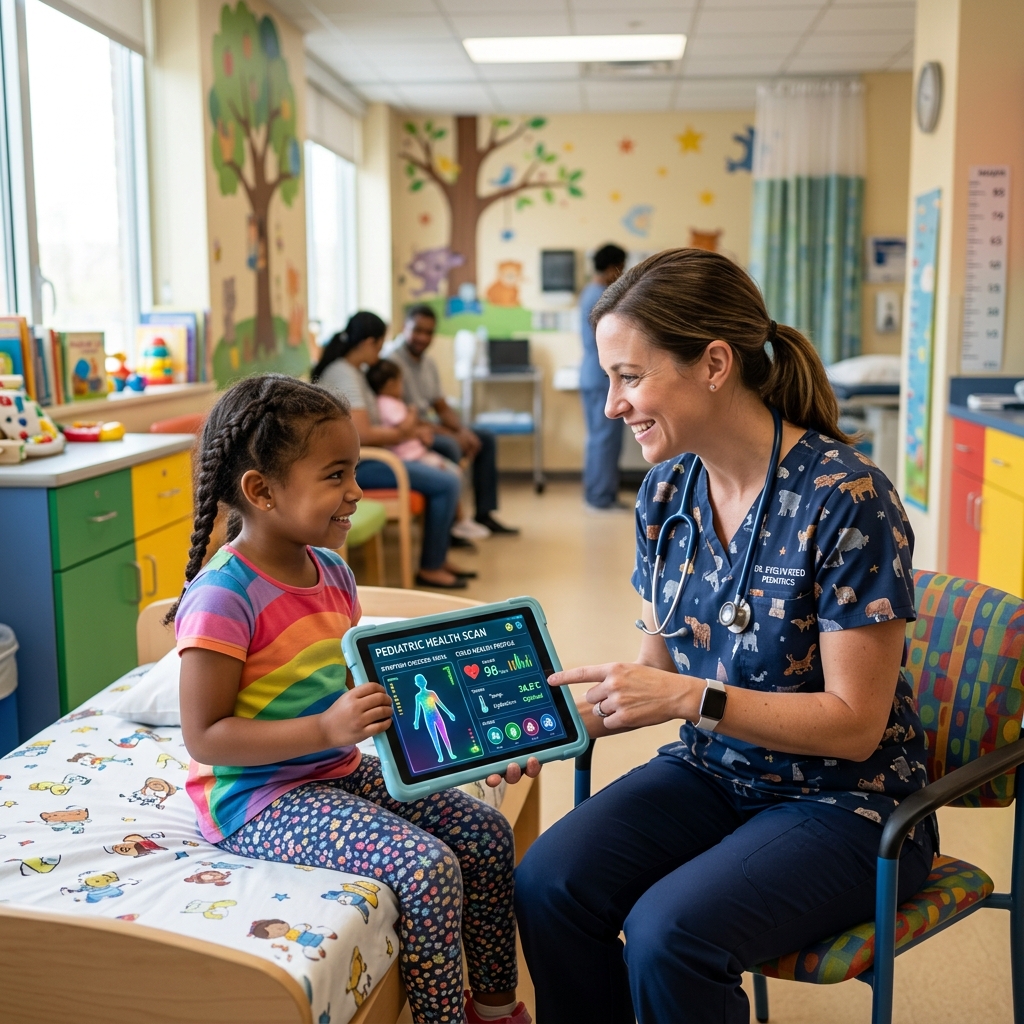
Children are not just small adults — their healthcare needs are unique, constantly changing as they grow, and often require specialized approaches. Artificial intelligence is now bringing new capabilities to pediatrics, from early detection of developmental disorders to personalized growth tracking that identifies health issues before they become serious.
Early Detection of Developmental Disorders
One of the most promising applications of AI in pediatrics is the early identification of autism spectrum disorder (ASD). AI tools analyzing toddler behavior patterns, eye tracking data, and even smartphone videos can flag developmental concerns months earlier than traditional screening methods.
AI-Powered Autism Screening
Machine learning models trained on behavioral data can identify ASD markers in children as young as 18 months — compared to the average diagnosis age of 4 years. Early detection means early intervention, which research shows dramatically improves developmental outcomes.
Smart Growth Monitoring
Traditional growth charts are being enhanced by AI systems that analyze not just height and weight, but also:
- Growth velocity patterns compared to population data
- Predicted adult height based on genetic and nutritional factors
- Early signs of endocrine disorders (growth hormone deficiency, thyroid issues)
- Nutritional status and caloric needs optimization
- Bone age estimation from hand X-rays with AI analysis
AI in Neonatal Care
In neonatal intensive care units (NICUs), AI is saving the most fragile lives. Predictive algorithms monitor vital signs of premature babies, detecting subtle patterns that precede:
- Sepsis onset (up to 24 hours before clinical symptoms)
- Intraventricular hemorrhage
- Necrotizing enterocolitis
- Apnea of prematurity
These early warning systems allow neonatologists to intervene before conditions become critical, significantly improving survival rates and long-term outcomes.
Personalized Vaccination and Health Schedules
AI systems are being developed to create personalized health schedules for children, considering individual risk factors, local disease epidemiology, and immune system development. These smart systems can also track vaccination records and send automated reminders to parents.
AI-Assisted Pediatric Diagnostics
Common childhood illnesses can now be assessed by AI-powered symptom checkers specifically trained on pediatric data. These tools help parents determine when a child's symptoms warrant a doctor visit versus home care, reducing unnecessary ER visits while ensuring serious conditions aren't missed.
Ready to take control of your health? Try our AI Doctor today and get personalized medical insights in seconds.