
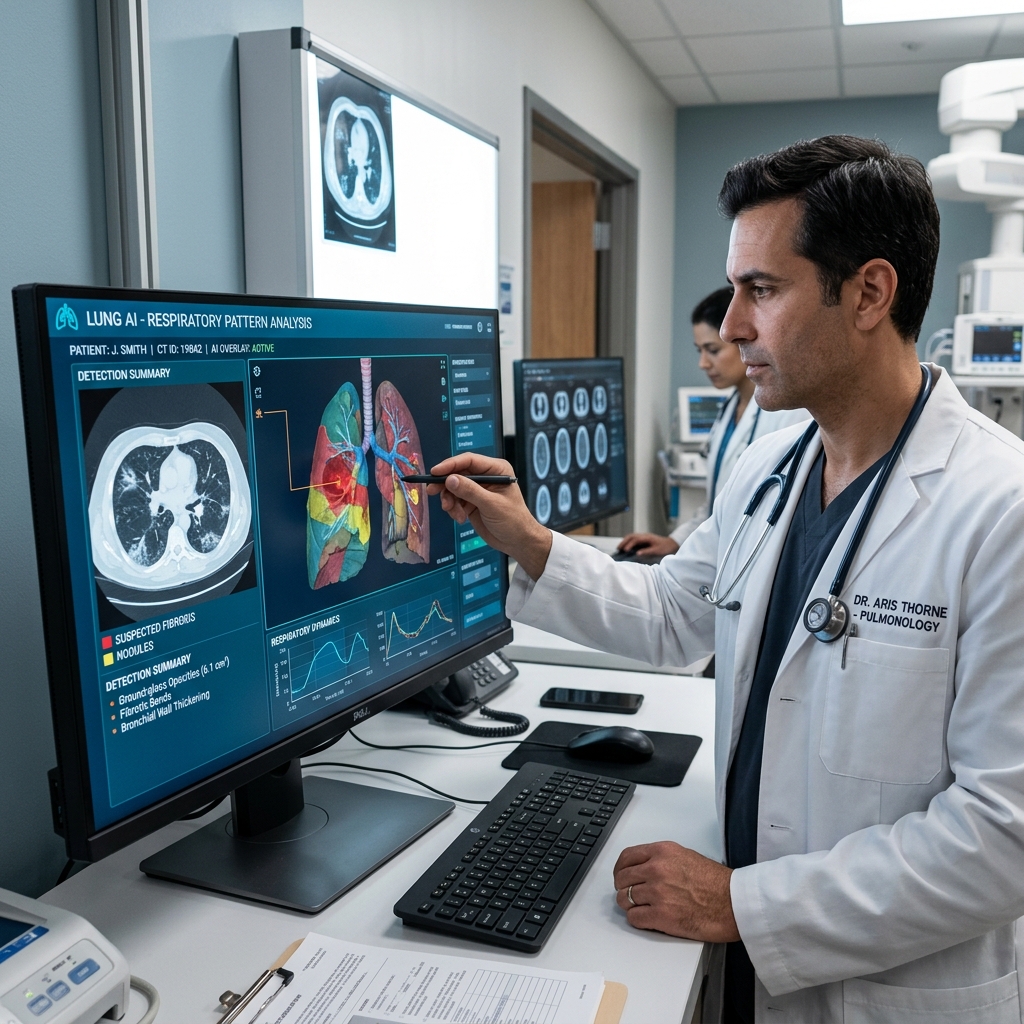
Respiratory diseases kill millions annually — lung cancer alone claims 1.8 million lives each year, while COPD and asthma affect hundreds of millions. The key to survival is early detection, and artificial intelligence is now making that possible at scale.
AI Lung Cancer Screening
The National Lung Screening Trial showed that low-dose CT screening reduces lung cancer mortality by 20%. AI is making screening even more effective:
- Nodule detection: AI identifies pulmonary nodules as small as 3mm with 97% sensitivity
- Malignancy risk stratification: AI classifies nodules as benign or malignant using imaging features and patient data
- Growth rate prediction: AI predicts which nodules will grow aggressively, enabling prioritized follow-up
- False positive reduction: AI reduces unnecessary biopsies by 30% compared to standard screening protocols
AI in COPD Management
Chronic obstructive pulmonary disease (COPD) is the third leading cause of death globally. AI systems are transforming COPD care through:
Predictive Exacerbation Detection
AI algorithms analyzing wearable sensor data (heart rate, oxygen saturation, activity levels) can predict COPD exacerbations 7 days before they occur. This enables preemptive treatment with steroids or antibiotics, potentially preventing hospitalizations.
Personalized Oxygen Therapy
AI systems dynamically adjust oxygen flow rates based on real-time SpO2 and activity data, optimizing therapy while preventing oxygen toxicity.
AI Asthma Management
Asthma affects 300 million people worldwide. AI-powered asthma management includes:
- Environmental trigger prediction using air quality data and weather forecasts
- Inhaler technique analysis via smartphone camera
- Medication adherence tracking with smart inhaler sensors
- Predictive flare-up alerts based on peak flow trends and symptoms
- Personalized asthma action plans updated dynamically by AI
AI in Pulmonary Embolism Detection
Pulmonary embolism (PE) is a life-threatening condition that is frequently missed. AI systems analyzing CT pulmonary angiograms detect PE with 92% sensitivity and alert radiologists immediately when a PE is found, enabling rapid intervention.
Sleep Apnea and AI
Obstructive sleep apnea affects nearly 1 billion people but is undiagnosed in 80% of cases. AI systems analyzing overnight oxygen saturation data from simple pulse oximeters can screen for sleep apnea with clinical-grade accuracy — no expensive sleep study required.
The Future: AI and Respiratory Health
AI is bringing pulmonary care out of the clinic and into the home. Smart spirometers connected to AI platforms enable daily lung function tracking. Combined with environmental data and symptom logs, these systems provide a comprehensive picture of respiratory health that was never before possible.
Ready to take control of your health? Try our AI Doctor today and get personalized medical insights in seconds.