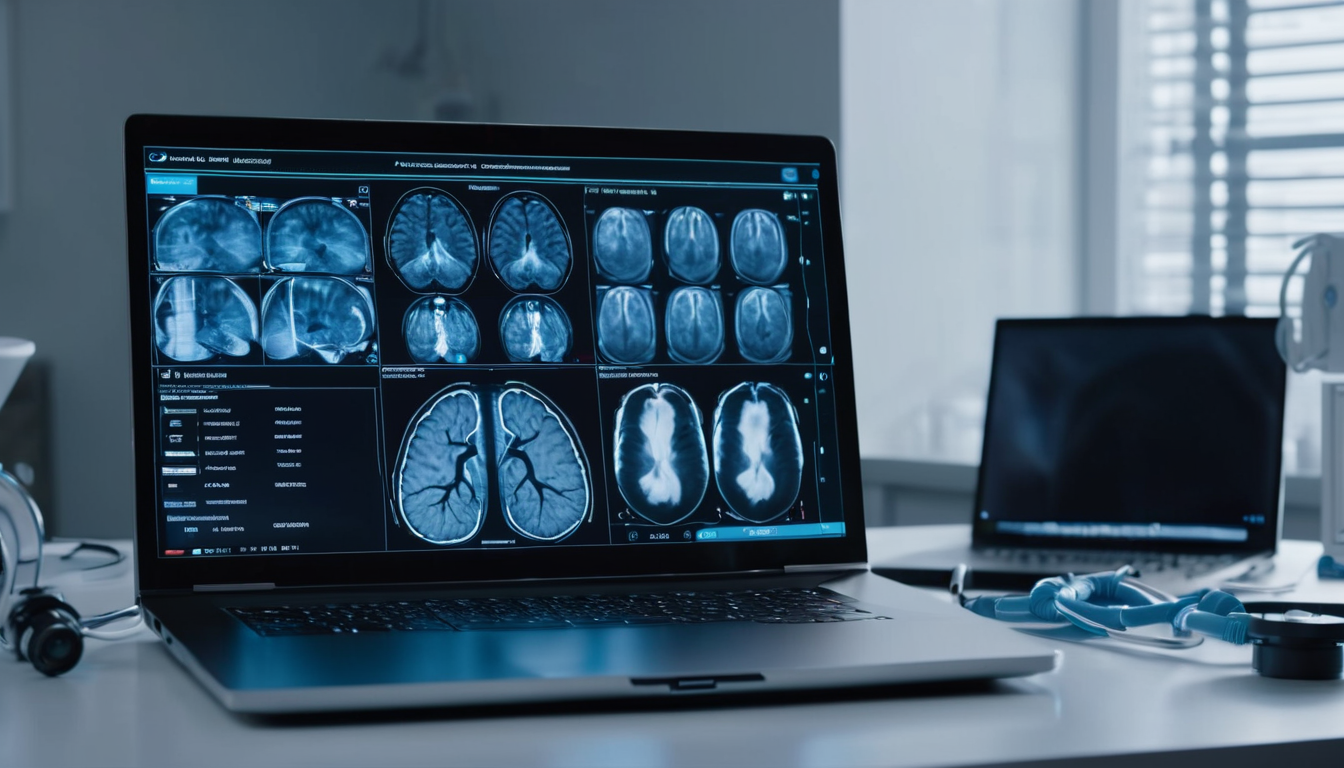
The global healthcare workforce shortage is projected to reach 10 million health workers by 2030, according to the World Health Organization. For billions of people, access to a qualified physician is a luxury—not a guarantee. Into this gap steps AI telemedicine: the fastest-growing segment in digital health, combining artificial intelligence with remote care delivery to provide medical guidance anywhere, anytime.
The Healthcare Access Crisis
Before examining solutions, it is essential to understand the scope of the problem:
- 1.3 billion people lack access to primary healthcare worldwide
- Rural populations in developed nations face average wait times of 26 days for a primary care appointment
- Emergency room overcrowding forces millions to delay seeking care
- Specialist shortages mean cardiology, dermatology, and psychiatry wait times often exceed 3 months
AI telemedicine addresses these challenges not by replacing doctors, but by extending their reach and filtering cases appropriately.
What AI Telemedicine Offers
24/7 Availability
Unlike human physicians, AI consultation systems never sleep. Platforms like AI Doctor provide round-the-clock access to specialized medical AI assistants across 9 disciplines including general practice, cardiology, dermatology, neurology, pediatrics, psychiatry, radiology, orthopedics, and internal medicine. A patient describing symptoms at 3 AM receives immediate preliminary guidance rather than waiting until morning.
Symptom Assessment and Triage
AI triage systems have evolved significantly. Current-generation models can:
- Analyze reported symptoms to identify potential conditions requiring urgent care
- Provide differential diagnosis suggestions ranked by probability
- Recommend appropriate care pathways—from self-care to ER referral
- Flag red-flag symptoms that require immediate medical attention
A 2026 study published in JAMA Network Open found that AI triage systems matched or exceeded nurse-level triage accuracy in 87% of cases while reducing unnecessary ER visits by 23%.
Multi-Specialty Consultations
One of the most powerful aspects of AI telemedicine is the ability to provide multi-specialty assessment in a single session. A patient presenting with chest discomfort can simultaneously receive:
- Cardiology AI assessment of cardiac symptoms
- Internal medicine evaluation of systemic causes
- Psychiatry screening for anxiety-related chest pain
This holistic approach mirrors the functionality of a multidisciplinary care team—something rarely available even in top-tier hospitals.
Evidence and Validation
The scientific evidence supporting AI telemedicine has grown substantially:
- Researchers at Cedars-Sinai found AI diagnosis and treatment recommendations matched physician-level accuracy across hundreds of cases
- A Harvard Medical School study showed AI models outperformed physician baselines in clinical reasoning across multiple specialties
- The New England Journal of Medicine reported that AI-augmented telemedicine reduced diagnostic errors by 38% compared to standard telemedicine alone
- Patients using AI telemedicine platforms reported 91% satisfaction rates, matching or exceeding traditional telehealth satisfaction scores
Real-World Impact
Rural Communities
In rural areas where the nearest specialist may be 100+ miles away, AI telemedicine provides immediate access to specialist-level preliminary assessments. Farmers in remote communities can describe dermatological concerns and receive AI-guided recommendations on whether the lesion requires a 3-hour drive to see a dermatologist.
Developing Nations
In regions with fewer than 1 physician per 10,000 people, AI telemedicine platforms offer a scalable solution. Mobile-first AI health tools require only a basic smartphone connection, making them viable in low-bandwidth environments.
Mental Health Access
Psychiatry AI specialists address one of the most critical shortages in global healthcare. With wait times for psychiatrists often exceeding 6 months in many countries, AI-powered mental health screening and support tools provide immediate assistance for patients in crisis while they await professional care.
The AI Doctor Platform Approach
AI Doctor embodies the principles of responsible AI telemedicine:
- 9 specialized AI doctors covering major medical disciplines
- Immediate access without appointments, wait rooms, or insurance requirements
- Clear triage guidance with explicit recommendations for when to seek in-person care
- Educational focus helping patients understand their health rather than simply dispensing diagnoses
- Medical disclaimer transparency ensuring users understand the limitations of AI assessment
Challenges and Considerations
AI telemedicine is not without challenges:
- Data privacy must be rigorously protected, especially for sensitive health information
- AI hallucination remains a risk—models can generate plausible but incorrect medical information
- Regulatory compliance varies by jurisdiction, requiring careful navigation of medical device regulations
- Digital divide risks excluding populations without internet access or digital literacy
- Human connection cannot be fully replicated—AI should augment, not replace, the physician-patient relationship
The Road Ahead
The trajectory of AI telemedicine points toward increasingly sophisticated, integrated, and personalized care. Emerging developments include:
- Ambient AI clinical assistants that document visits and provide real-time decision support to human physicians
- Wearable integration feeding continuous vital sign data into AI analysis engines
- Predictive health alerts notifying patients of potential health issues before symptoms manifest
- AI-assisted medication management with interaction checking and personalized dosing guidance
As AI models continue to improve and evidence accumulates, AI telemedicine will become an integral layer of the global healthcare infrastructure—ensuring that geographical location, time of day, and socioeconomic status no longer determine access to quality medical guidance.
Medical Disclaimer: This article is for educational purposes only and does not constitute medical advice. AI Doctor provides general health information for educational purposes and does not replace professional medical diagnosis. In emergencies, call your local emergency number immediately.